Home›Field notes›Storm
The first 48 hours after a storm, in order
What to do, what to photograph, and the two things people do in the first day that cost them later.
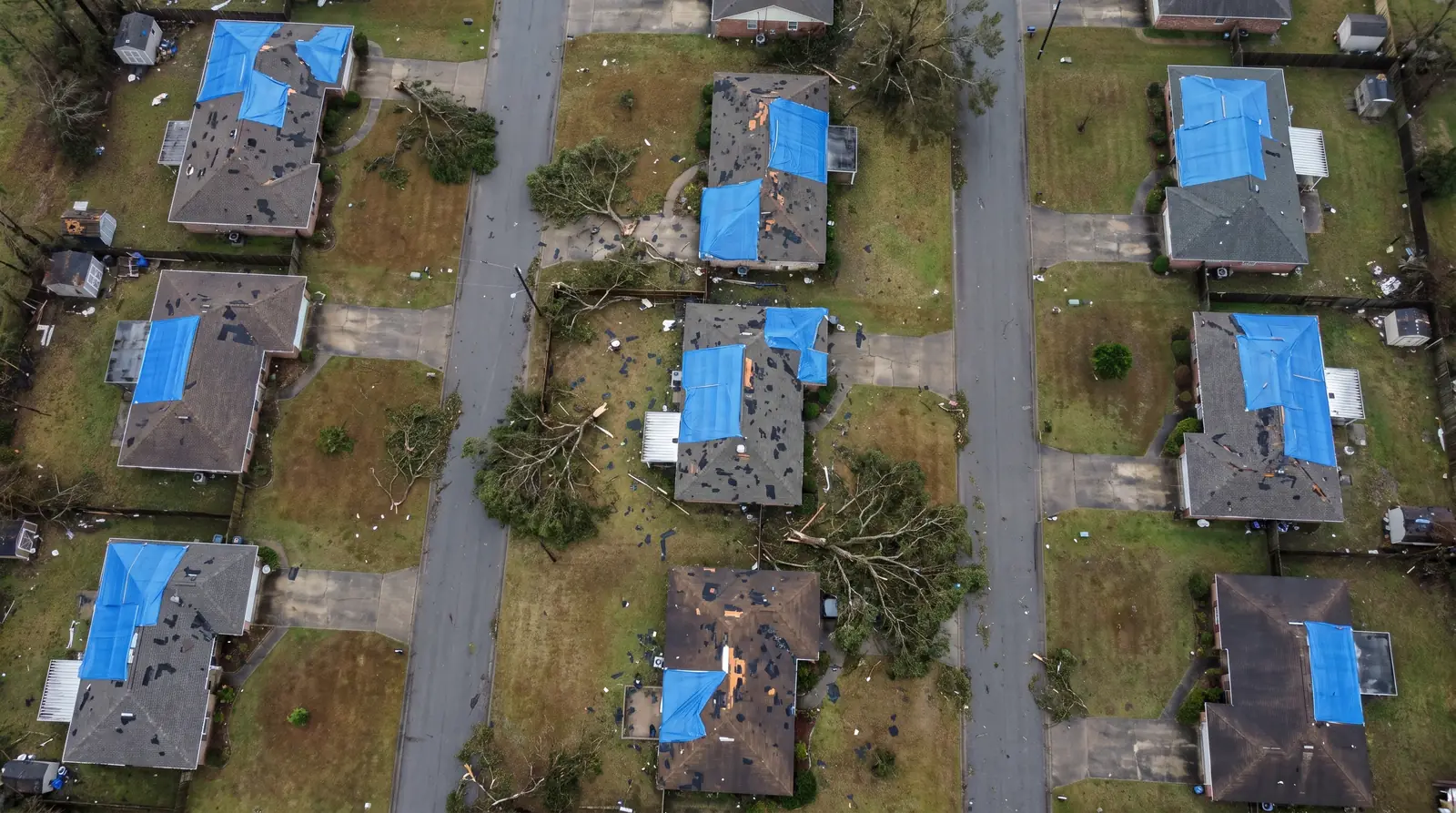
The two days after a storm decide how the next two months go. Most of it is not roofing, it is order of operations.
Hour one: safety, then a look from the ground
Do not get on the roof. Wet decking with missing shingles is how people get hurt, and a downed line in a wet yard is worse. Walk the perimeter instead and look up. You are checking for daylight through the eave, a lifted or peeled section, missing ridge, a limb resting on the slope, and displaced soft metal on vents and flashing.
Inside, look for a stain on a ceiling, a bulge in drywall, or a door that has started to stick.
Hours one to six: photograph before you move anything
Photograph in this order: the whole elevation from each side of the building, then any damage close up, then the inside. Include something for scale. Get the date into the file by using your phone rather than a camera with a wrong clock. If a limb is on the roof and it is safe to leave it, leave it until it is photographed.
The record you make in the first six hours is the one that is hardest to argue with later. It is also the one people skip.
Hours six to forty-eight: stop the water
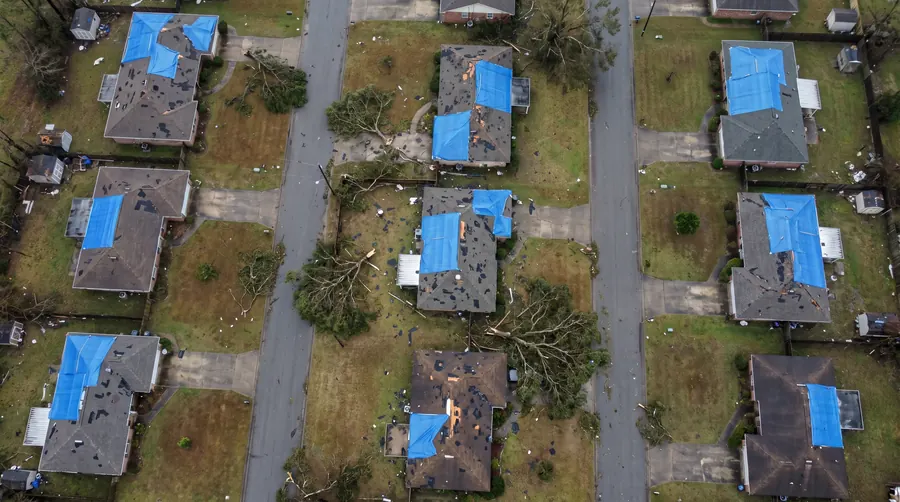
Emergency tarping is not a repair, it is a tourniquet, and it is worth doing properly: a tarp run over the ridge and battened down, not weighted with bricks. Keep the receipt for anything you buy or pay for, including the tarp, the batten and the labour. Move what is under a leak, and put a bucket and a towel under it rather than a bowl on carpet.
The two things that cost people
- Signing something at the door. After a storm, people arrive with clipboards and urgency. An agreement that assigns your claim to a contractor is a real document with real consequences. Nothing needs signing in the first 48 hours
- Clearing up too well. Bagging the shingle debris, straightening the gutter and washing the drive before anyone has seen it removes the evidence that the event happened
Then call it in
Report the claim to your own insurer, get the claim number written down, and ask when an adjuster will be assigned. Then get a contractor to document the roof independently. When the adjuster comes, the two sets of photographs either agree, which makes the conversation short, or they do not, which is exactly when you want your own set.
Why we photograph roofs at seven in the morning
Hail bruising is a shadow, not a colour. At noon there are no shadows, which is how a damaged roof passes an inspection.
Read itMetal or shingle on the Gulf Coast: how we actually decide
It is not a preference. It comes down to the deck, the slope, how long you are staying and what the wind does to the edge.
Read itBook a raking-light inspection
We photograph the roof in the hour when the damage shows, and send you the file.
Book it